

Guía para implementar TradingView en finanzas
📊 Aprende a configurar TradingView para operaciones financieras en Colombia. Optimiza análisis técnico, integra corredores y personaliza tu experiencia con consejos prácticos.
Editado por
Laura Hidalgo
When shopping for 18K gold rings for men, it's worth understanding what sets this gold apart and how it influences pricing and value. 18K gold contains 75% pure gold mixed with other metals. This blend balances the rich luster of pure gold with added durability, making it a popular choice for men's rings that see everyday wear.
Gold Quality and Purity
The purity level directly impacts price. Pure gold (24K) is soft and not practical for rings. 18K strikes a sweet spot, offering a strong shine but with better scratch resistance. The metal mix—typically copper, silver, or palladium—affects the ring’s color and strength. For instance, more copper produces a warmer, rose gold tone, while palladium keeps it white.
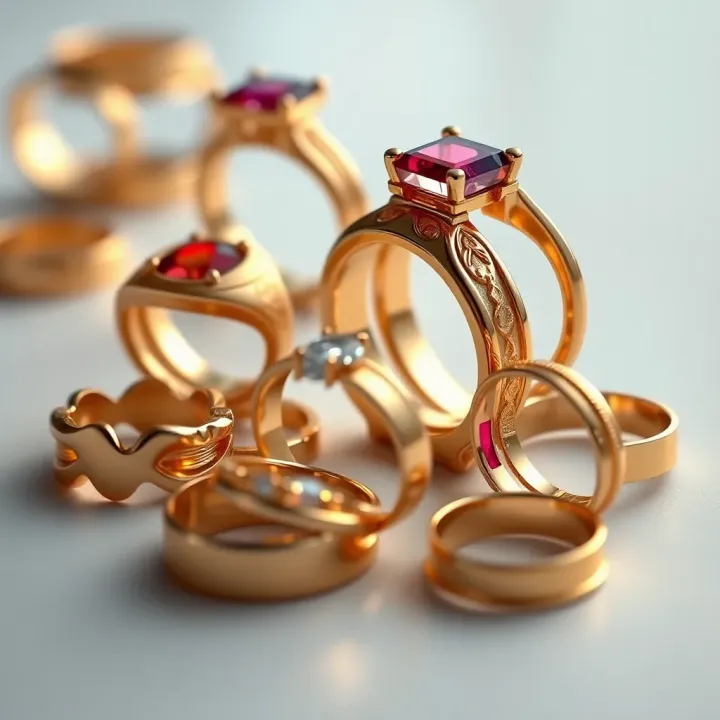
Remember, a higher karat value means more pure gold, which pushes the ring's price point up.
Market Price Factors
Gold prices fluctuate daily on commodities exchanges, influenced by economic trends, inflation, and global events. Buying an 18K ring isn’t just about craftsmanship; the current gold spot price weighs heavily on cost. For example, if gold jumps from $1,800 to $2,000 per ounce, the price of an 18K ring will generally rise accordingly.
Design and Craftsmanship
The artistry behind the ring has a big say in its value. Intricate designs, hand engravings, and branded designers tend to mark up prices. A simple 18K gold band might go for a few hundred dollars, but a custom piece with gemstones and detailed work can easily reach several thousand.
Practical Buying Tips
Always verify the karat stamp (like "18K" or "750") to confirm authenticity.
Compare prices at trusted jewelers and check current gold rates to gauge fair value.
Consider the ring’s weight since heavier bands have more gold content, which affects pricing.
Maintenance and Longevity
Regular cleaning and proper storage can keep your ring gleaming longer without needing costly repairs. Note that 18K gold is still softer than lower karat alloys, so wear it with care to avoid dents and scratches.
Understanding these factors will give you the confidence to evaluate 18K gold rings for men more precisely and make better-informed investment decisions.
Understanding what sets 18K gold rings apart helps you make smarter buying decisions, especially when pricing and value are on the table. An 18K gold ring contains gold mixed with other metals to balance beauty, durability, and cost. For men looking for a ring that combines luxury with strength, knowing the specifics behind 18K gold’s makeup and design is key.
Understanding 18K Gold Percentage: An 18K gold ring is composed of 75% pure gold mixed with 25% other metals like copper, silver, or palladium. This level of purity strikes a sweet spot, offering a richer gold hue than 14K but is more durable and affordable than 24K, which is too soft for daily wear. So, if durability matters along with that classic gold look, 18K rings often fit the bill well.
How Alloying Affects Color and Strength: Those other metals influence more than just the ring’s toughness. Depending on the alloy blend, you get variations like yellow, white, or rose gold. For instance, adding copper produces a warmer, reddish rose gold, while palladium or nickel creates white gold. These alloys also boost hardness, which means your ring resists scratches better—a practical advantage for men who wear their ring every day.
Classic Bands vs. Contemporary Designs: Traditional gold bands remain popular for their timeless simplicity—think smooth, polished 18K yellow gold rings that match anything from business attire to casual jeans. In contrast, modern designs might incorporate geometric shapes, matte finishes, or mixed metals to reflect personal style. Choosing between classic and contemporary depends on your lifestyle and taste, but both styles influence the ring’s price.
Incorporation of Gemstones and Textures: Many 18K gold rings add gemstones like sapphires or diamonds, which raise the value significantly. Textures such as hammered finishes or intricate engravings add character and craftsmanship appeal. These features not only catch the eye but also affect price and maintenance down the road. For example, a ring with a beveled edge and embedded black diamonds demands more skill to create, making it pricier than a plain band.
Remember, the makeup and design choices in 18K gold rings aren't just about looks; they determine durability, everyday comfort, and long-term value. Knowing these details prepares you to pick a ring that’s worth every dollar spent.
When looking at the price of 18K gold rings, several key factors come into play beyond just the metal itself. Knowing these elements helps you make smarter choices whether you’re buying for investment, personal style, or gifting. The cost isn't just about how much gold is in the ring; instead, it's a mix of market forces, craftsmanship, and brand reputation. Let's break down these influences.
Gold prices set the baseline for any 18K gold ring’s cost. Since 18K gold contains 75% pure gold mixed with other metals, its price swings with the global gold market. For instance, when gold hits $2,000 an ounce, the price for a gold ring can rise quickly even if labor and design remain unchanged. This means rings purchased just months apart can vary significantly.
It’s smart to watch gold prices if you’re planning to buy or sell jewelry; timing can affect your wallet quite a bit.
Recent trends show gold prices often move due to world events, inflation concerns, or changes in investor demand. For example, economic uncertainty sometimes pushes prices up as gold is seen as a safe haven. Conversely, when the dollar strengthens, gold might dip. Keeping tabs on these trends can help you decide the best moment to purchase an 18K gold ring.
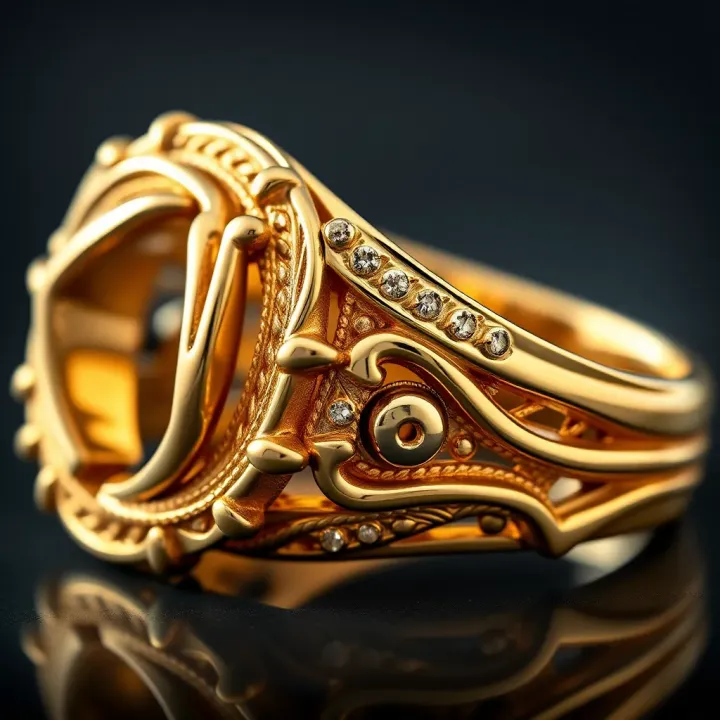
The way a ring is made influences its price as much as the gold content. Handmade rings often carry a price premium because skilled artisans spend hours refining details that machines just can't replicate. A custom design with intricate engraving or hand-set stones will cost more but offers uniqueness and quality.
Machine-made rings, on the other hand, benefit from lower labor costs and faster production. This often results in more affordable pieces, suitable for those looking for simple bands or classic styles without a hefty price tag.
Brands also impact the price. Luxury jewelry companies like Tiffany & Co. or David Yurman charge a premium, not just for gold and craftsmanship but for their name and reputation. Buying from these brands often guarantees high quality, warranty, and resale value. However, lesser-known brands or independent jewelers might offer similar quality at lower prices if you shop carefully.
Understanding these price drivers helps you assess value beyond sticker shock. Whether considering market conditions or the maker’s reputation, each factor shapes how much you’ll pay for an 18K gold ring and what you get in return.
The design of an 18K gold ring can significantly influence its price, reflecting more than just the raw material's value. Elements like size, weight, complexity, and added features can push costs up or down, so understanding these factors helps you get a clearer picture of what you're paying for.
The weight of the ring directly correlates to the amount of gold used, making it one of the main cost drivers. For example, a chunky 18K gold band weighing 10 grams will be noticeably more expensive than a slender ring at 4 grams simply because of the difference in gold content. Jewelry sellers usually price the ring based on gold's current market value plus the craftsmanship involved.
Besides weight, size plays a practical role since larger fingers require bigger rings, which generally means more gold. However, weight alone doesn't tell the full story. Two rings of the same size can vary in weight depending on their design thickness or hollow sections, leading to different price points.
Complex designs demand more skill and time from the jeweler, which also shows up in the price. Intricate filigree work, micro paving, or delicate engraving details increase labor costs and can make a ring considerably more costly than a simple band. For instance, a men's 18K gold ring featuring a detailed Celtic knot pattern requires far more craftsmanship than a plain polished band.
Such intricate elements not only add monetary value but also enhance the ring's uniqueness and appeal. Buyers often pay a premium for complexity, especially when hand-crafted or limited edition pieces come into play.
Adding gemstones to an 18K gold ring can greatly impact the price, depending on the type, size, and quality of the stones. Diamonds, sapphires, and rubies command higher prices, particularly if they're top-grade. For example, a ring with a flawless half-carat diamond will be significantly pricier than one with small synthetic stones or no stones at all.
On the other hand, semi-precious stones like topaz or amethyst offer more affordable options for those who want a pop of color without breaking the bank. The choice of gemstone affects not just the initial cost but also ongoing care considerations.
Personalized engraving is a popular way to add sentimental value to an 18K gold ring. Costs typically range from $50 to a few hundred dollars based on the complexity and length of the inscription. Simple initials or dates are on the lower end, while detailed artwork or longer messages can drive the price up.
Besides the fee, the engraving process might slightly alter the ring's weight but not enough to affect its gold value. Still, some buyers see engraving as a worthwhile investment for personal touch or gifting purposes. Keep in mind, once engraved, the ring usually cannot be returned, so double-check the details before committing.
Design choices play a key role in the final cost of an 18K gold ring. By weighing the trade-offs between size, detail, stones, and personalization, you can pick a piece that fits both your style and budget.
Choosing the right place to buy an 18K gold ring is just as important as selecting the ring itself. Where you buy affects the price, authenticity, and your overall buying experience. Whether you go to a retail store or shop online, understanding the pros and cons of each option and knowing how to spot genuine rings are key to making a smart purchase.
Buying from a retail store offers you a hands-on experience. You can try on different rings, feel the weight, and get immediate feedback from sales staff. Retailers often provide warranties, easy returns, and professional cleaning services. However, prices in physical stores tend to be higher due to overhead costs like rent and staff salaries.
On the flip side, online marketplaces provide a far wider variety of 18K gold rings, often at more competitive prices. Sites like Blue Nile or James Allen let you compare styles and prices easily. The downside is you can’t physically examine the ring before buying. Shipping times and return policies vary, so you should review them carefully to avoid surprises.
Price differences across these channels can be significant. A similar 18K gold ring might cost 10-20% more at a retail store compared to online platforms. This variation stems from factors like physical store expenses and online sellers leveraging scale. Still, caution is necessary online—lower prices might sometimes mean lower authenticity or quality.
Knowing how to verify authenticity protects you from paying premium prices for fake or low-quality gold. Authentic 18K gold rings typically have hallmarks stamped inside the band, indicating "18K," "750" (which means 75% gold), or manufacturer's marks. Certified jewelers provide documentation, such as a certificate of authenticity, confirming gold purity.
Beware of common scams and counterfeits, especially online or in questionable shops. For example, some rings may be plated with 18K gold but have a base metal core, which will wear off quickly. Always ask for a return policy and seek out reviews or ratings of sellers. Testing by a reputable jeweler—using acid tests or electronic gold testers—is a reliable way to confirm a ring’s metal content.
When buying an 18K gold ring, prioritize verified sellers who provide clear hallmarks and certification. It’s better to pay a little extra for peace of mind than risk ending up with a counterfeit.
Knowing where to buy and how to authenticate an 18K gold ring ensures you get true value for your investment. Whether you shop in person or online, informed decisions help protect your pocket and your style.
Maintaining your 18K gold ring not only preserves its shine and beauty but also safeguards the value you've invested in. Without regular care, even the most robust gold alloys can dull or get damaged over time. Especially for men’s rings, which often see daily wear, a simple maintenance routine keeps your piece looking fresh and protects your investment.
Cleaning 18K gold rings at home is straightforward if you avoid harsh chemicals. A mild soap and warm water solution works wonders—just soak the ring for a few minutes and gently scrub it with a soft toothbrush. For example, a little dish soap mixed in warm water can remove everyday dirt without dulling the gold's finish. Avoid ammonia or bleach, as these can weaken the metal or damage any stones.
After cleaning, rinse the ring thoroughly and dry it with a soft cloth. This gentle routine should be enough to handle day-to-day grime and keep your ring gleaming between professional cleanings.
How you store your ring matters just as much as how you clean it. Keeping your ring in a separate compartment or a soft-lined box prevents it from getting scratched by other jewelry. Imagine tossing your ring into a busy jewelry box with watches, chains, and rings all jostling together—that’s a quick recipe for scratches and dents.
For daily removal, a fabric-lined jewelry tray at home or a ring pouch when traveling can protect against knocks and exposure to harsh elements. It’s also wise to avoid storing gold rings where they face extreme temperatures or humidity, such as bathrooms, since moisture can speed up tarnishing.
No matter how careful you are, occasional professional maintenance keeps your ring in top shape. Over time, small scratches and surface wear show up even with careful handling. A jeweler can polish your ring to restore its original shine without removing too much material.
If your ring has stones, settings may loosen after years of wear. A professional can inspect and tighten these settings to avoid losing precious gems, which isn’t something you want to leave to chance.
When you buy a valuable 18K gold ring, protecting it with insurance is a smart move. Most standard homeowners policies have limited coverage for jewelry, so you might need a separate policy or rider specifically for valuable items.
Getting your ring appraised and having proper documentation ensures you can claim the full replacement value if it’s ever lost, stolen, or damaged beyond repair. Plus, some insurers offer valuable-added services like coverage for repairs or loss during travel, which adds an extra layer of protection for peace of mind.
Proper care and occasional professional attention not only keep your 18K gold ring sparkling but also protect the value of your investment for years to come.
📊 Aprende a configurar TradingView para operaciones financieras en Colombia. Optimiza análisis técnico, integra corredores y personaliza tu experiencia con consejos prácticos.

📈 Descubra todo sobre Olymp Trade: cómo funciona, sus beneficios y riesgos, consejos para invertir seguro y evitar fraudes en Colombia y Latinoamérica. 💡
📉 Descubre cómo convertir yuan chino (CNY) a peso colombiano (COP), entienda tasas, factores de variación y cómo optimizar tus operaciones desde Colombia a China.

📈 Aprende a usar Deriv y TradingView juntos para optimizar tus operaciones de trading en Colombia, con análisis técnico confiable y prácticas seguras. 💻🇨🇴
Basado en 12 reseñas