

Guía para implementar TradingView en finanzas
📊 Aprende a configurar TradingView para operaciones financieras en Colombia. Optimiza análisis técnico, integra corredores y personaliza tu experiencia con consejos prácticos.
Editado por
Natalia Gómez
Chelsea Market sits at the heart of Manhattan’s Meatpacking District, blending history with a modern twist. Originally the site of the National Biscuit Company (Nabisco) factory where the Oreo cookie was born, the market has evolved into a bustling indoor space offering a unique mix of food, retail, and creative industries.
The market draws a diverse crowd, from local entrepreneurs and foodies to tourists and business professionals. This is more than a shopping spot; it’s a dynamic ecosystem where small vendors, established brands, and creative studios coexist under one roof.
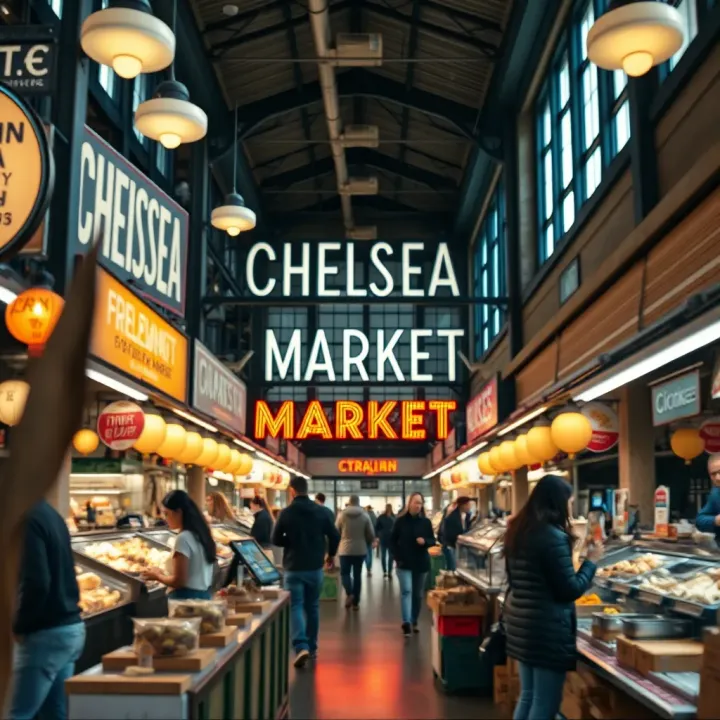
Chelsea Market covers a full city block between 9th and 10th Avenues along 15th Street. It’s easily reachable via multiple subway lines, including the A, C, E at 14th Street and the L at 8th Avenue. For those driving, parking is available but can get pricey and tight, so public transport often saves time and hassle.
You’ll find over 35 vendors selling everything from authentic Mexican tacos to artisanal chocolates. Notable spots include Los Tacos No. 1 for quick, flavorful bites, and Fat Witch Bakery for their famously rich brownies. It’s a great place to sample varied cuisines without leaving the building.
Chelsea Market also houses specialty shops offering unique goods. From boutique coffee roasters like Devoción to designer kitchenware at Fishs Eddy, the retail side complements the food scene well. Plus, there are office spaces for creative companies, making the market a blend of commerce and culture.
Practical tip: Visit on weekday mornings if you want to avoid crowds and take in the space at a slower pace. Weekends can get packed, especially around lunchtime.
Beyond shopping and dining, Chelsea Market hosts pop-up events and art installations, serving as a vibrant community spot that encourages creativity and collaboration.
Whether you're scouting local trends, meeting clients over lunch, or simply looking for an authentic taste of New York’s food scene, Chelsea Market offers a well-rounded and accessible experience right in the city’s core.
Chelsea Market's story reveals much about its current role as a bustling hub for food, shopping, and culture in New York City. Understanding its history helps investors, traders, consultants, and entrepreneurs grasp the market’s significance, business potential, and the steady transformation of urban industrial spaces into vibrant commercial centers.
Originally, Chelsea Market was the site of the National Biscuit Company Factory, built in the 1890s. This factory produced the iconic Oreo cookie and other baked goods. Its industrial roots laid the foundation for Chelsea Market’s focus on food and manufacturing, which still influences its character today. For those interested in the food industry, recognizing this heritage shows why the market naturally evolved into a destination focused on high-quality, diverse cuisine.
By the late 20th century, the industrial era began to fade, and the factory ceased operations. The building then transformed into a public market, preserving some of the original architecture while repurposing the space for multiple vendors. This transition exemplifies how urban redevelopment can maintain historical significance while adapting for modern commercial use. From a practical standpoint, Chelsea Market serves as a case study on how industrial real estate, once obsolete, can be converted into thriving retail and community spaces.
Efforts to preserve Chelsea Market's unique architectural elements—such as exposed brick walls, large factory windows, and metalwork—have been central to its appeal. These historic touches provide an authentic atmosphere that attracts both tourists and locals. For business operators and real estate professionals, this highlights the value of blending historical character with current market demands, enhancing brand identity and customer experience.
Located in the heart of Chelsea, the market seamlessly links to the neighborhood’s dynamic art scene, innovative tech companies, and residential growth. This integration supports a steady flow of diverse visitors. For entrepreneurs and investors, Chelsea Market’s embeddedness within a thriving community represents both stable foot traffic and ample networking opportunities. It’s a prime example of how a commercial venue can boost and benefit from local economic and cultural development.
The evolution of Chelsea Market from a cookie factory to a vibrant marketplace underscores the power of adaptive reuse in urban settings, combining history, commerce, and community in a single space.
The market’s origins connect directly to food production excellence.
Adaptive reuse transformed industrial space into a retail destination.
Historic preservation adds unique value for visitors and businesses.
Its location within Chelsea ties it to a growing, fashionable neighborhood with diverse opportunities.
This historical perspective not only enriches your visit but also offers insights into urban redevelopment strategies and commercial real estate success in New York City.
Chelsea Market stands out as a go-to food destination in New York City because of its wide range of culinary options. Whether you're looking to grab a quick bite or explore new tastes, the market delivers with vendors offering everything from global dishes to local treats. This variety is what makes it a hotspot for food investors and urban entrepreneurs alike, as food trends here often forecast wider market shifts.
Chelsea Market houses a global lineup — it's like taking a mini trip around the world without leaving Manhattan. From Mexican tacos to Japanese takoyaki, the options reflect the city's incredible diversity. For example, Los Tacos No.1 serves authentic Mexican street food that locals swear by. These vendors don't just offer food; they bring cultural stories and innovative flavors that often lead to fast-growing food businesses.
Alongside international eats, the market showcases local artisans crafting unique goods. Small-batch cheese makers, boutique olive oil producers, and craft charcuterie stalls are just a few spots to check out. These vendors cater to customers who look for quality and originality, contributing to the market's reputation as a spot for premium artisanal food products. For entrepreneurs and traders, these offerings highlight niche market potential ripe for growth.
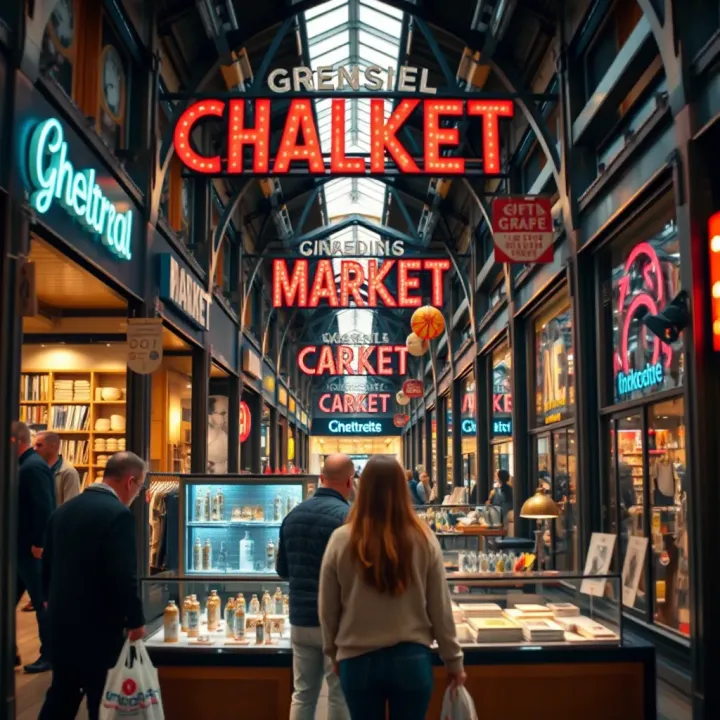
Chelsea Market's seafood vendors are not to be missed. Take The Lobster Place, for instance — it’s a landmark known for fresh catches ranging from whole lobsters to oysters. This spot attracts daily traffic from both tourists and local chefs, making it a reliable source for quality seafood and a good benchmark for seafood supply businesses.
Bakery stalls like Fat Witch Bakery offer rich, chocolatey brownies that have a cult following. Such sweets are more than just tasty treats; they're examples of small food ventures that scaled up thanks to market exposure. The dessert options also include artisan cookies and seasonal pies, perfect for those who want to indulge while exploring.
The market includes spots offering craft coffee, kombucha, and freshly squeezed juices. Café Grumpy, well-known for its strong brews, fits right into the market’s portfolio by attracting coffee aficionados. Beyond caffeine, vendors offer innovative drinks that align with health trends — a practical insight for those monitoring beverage market shifts.
Chelsea Market’s culinary scene isn’t just about eating; it’s a dynamic snapshot of evolving food trends and local entrepreneurship.
This eclectic food mix not only delights visitors but also paints a clear picture for industry professionals about where consumer tastes are heading.
Chelsea Market isn’t just about food; it’s a solid destination for shoppers looking for distinctive finds. Its mix of boutiques and specialty shops turns it into a place where visitors can grab everything from kitchen gadgets to one-of-a-kind fashion pieces. This variety makes it relevant not only for foodies but also for those hunting unique items or gifts, especially entrepreneurs and analysts scouting market trends.
Chelsea Market features several shops offering high-quality home goods and kitchenware. For instance, Spot Handmade stocks artisanal ceramic bowls and hand-thrown mugs perfect for those who appreciate craftsmanship in everyday items. These products appeal to both home cooks and interior enthusiasts seeking to add character to their kitchens.
The practical benefit is clear: whether you want to upgrade your cooking tools or find stylish accessories to impress guests, the market delivers innovative and functional options. These shops often carry local, small-batch items you can’t find at big-box stores, which adds real value for savvy shoppers wanting originality.
On the fashion front, Chelsea Market’s shops offer a curated selection of accessories and apparel that blend urban edge with artisanal details. Stores like The Frankie Shop provide minimalist clothing with a modern twist, catering to professionals and entrepreneurs aiming for a crisp, stylish look.
Additionally, accessory vendors often showcase pieces made from recycled materials or handcrafted by emerging designers. This not only supports sustainable fashion but also gives visitors a chance to stay ahead of trends without compromising quality. For those who value standing out smartly, these boutiques at Chelsea Market offer fresh options.
Chelsea Market hosts several local artisans creating handmade jewelry and crafts with personality and detail. Unlike mass-produced goods, these pieces reflect individual stories and creative flair, often handcrafted using techniques passed down through generations.
For business-oriented visitors, these artisan shops offer insight into niche markets where craftsmanship meets consumer demand. Buying such jewelry or crafts also supports local economies and small-scale makers, which aligns well with community-focused investing or consultancy approaches.
Beyond personal shopping, Chelsea Market excels in offering unique gift options. Whether you’re looking for a thoughtful present or corporate gifts with flair, the market’s mix of vintage finds, artisanal foods, and handcrafted accessories provides practical, memorable choices.
Stores like Artists & Fleas curate collections that range from quirky home décor to limited-edition prints, making gift hunting efficient and inspiring. For traders and entrepreneurs, this offers a real-world example of how blending creativity with retail can attract a diverse customer base.
The bottom line is, Chelsea Market offers more than just food—it’s a shopping destination where the blend of artisanal quality and innovative retail concepts come to life, making it a valuable spot to explore, shop, and get inspired.
Chelsea Market isn't just about food and shopping—it’s also a lively creative hub that brings together artists, entrepreneurs, and locals. This dynamic space blends work, art, and community, making it more than a marketplace; it’s a place where ideas and cultures meet. Visitors get to experience not only unique shops and eateries but also a wide range of artistic and communal activities that shape the neighborhood's vibrant character.
Regular exhibits and pop-ups keep Chelsea Market fresh and engaging. Art installations often rotate, showcasing works from local and emerging artists, giving visitors a chance to see new creative expressions each time they visit. For example, you may find interactive murals or multimedia displays that challenge your view of everyday objects or themes linked to the city’s culture and history.
Pop-up events, from craft fairs to food tastings, inject an extra dose of excitement. These short-term setups offer a platform for small businesses and creators to connect with the public without long-term commitments. They make Chelsea Market a place to discover fresh trends or limited-edition products that you won’t find anywhere else.
Community workshops and gatherings are key to the market’s role as a local gathering spot. Hands-on workshops range from cooking classes by market chefs to DIY craft sessions led by artisans. These events not only teach a new skill but also foster a sense of belonging among participants.
Regular meetups and community forums provide a space for local residents and workers to discuss neighborhood projects or organize cultural celebrations. This aspect reinforces Chelsea Market’s position as a community anchor, not just a commercial venue.
Several tech and media companies have set up offices inside Chelsea Market, making it a hotspot for innovative startups and digital firms. This presence enhances the market’s energy and diversity. For example, companies such as Kickstarter have called Chelsea Market home, blending creative industries with the market’s artisanal vibe.
The influx of these businesses brings more foot traffic during weekdays, injecting vitality beyond the standard visitor hours. Employees frequent the market’s eateries and shops, supporting small vendors and weaving the workspace and public areas together seamlessly.
This mix directly impacts neighborhood vibrancy. It attracts a workforce interested in creative culture, which spills over into the community with events, collaborations, and increased economic activity.
Chelsea Market’s unique combination of public spaces, retail, art, and offices creates a bustling microcosm where commerce and creativity fuel each other, making it a vital part of Chelsea’s ongoing growth and appeal.
By functioning as a creative ecosystem and community hub, Chelsea Market invites visitors and locals alike to not just shop or eat, but also connect, learn, and contribute to the neighborhood’s thriving social fabric.
Chelsea Market can get pretty busy, especially on weekends and holidays, so planning your visit smartly makes a big difference. Knowing when and how to go, understanding your budget, and figuring out the best way to get around will help you make the most of your time without stress or surprises.
Weekday visits tend to be much calmer. If you're up for a more relaxed experience, showing up on a Tuesday or Wednesday morning will put you ahead of the crowd. Many visitors flock there on weekends, turning the market into quite a bustling scene, especially around lunchtime. Heading there early in the day on weekdays means you can enjoy exploring food stalls, shops, and galleries without feeling rushed or elbowed.
Seasonal considerations also matter. Winter months (January and February) often see fewer tourists, making it easier to stroll through the market, though some outdoor parts like the High Line nearby might be less appealing in the cold. Spring and fall bring fresher air and more comfortable temperatures, but weekends can get packed. If you visit during summer, keep in mind that New York heat and humidity can make the experience less pleasant during peak midday hours, and crowds tend to balloon.
Getting to Chelsea Market is pretty straightforward using public transportation. Several subway lines stop close by, including the A, C, E at 14th Street and 8th Avenue, and the L train at 14th Street and 9th Avenue. From those stations, it's just a short walk. Plus, the market lies along major bus routes, so you’ve got plenty of options that skip the parking hassle.
If you prefer driving, parking nearby can be tight and expensive. Several parking garages operate close to the market, but rates can be steep—expect to pay around $25 to $40 for a few hours. Metered street parking is limited and enforced strictly. For convenience, try parking a few blocks away and walking or use ride-share services. Also, keep an eye out for any ongoing construction or special events that might affect parking availability.
Prices at Chelsea Market range from affordable snacks to pricier sit-down meals. You can grab a quick slice of pizza for under $5 or enjoy seafood platters that go upward of $30. Shopping for gifts or kitchen gadgets varies as well, with many boutique items priced around $20 to $100 depending on quality and uniqueness. Knowing your budget beforehand helps you focus on what to try without surprises.
Most vendors accept major credit cards like Visa, MasterCard, and American Express. However, some smaller stands might prefer cash or have a minimum purchase amount for card use. On top of that, mobile payment methods like Apple Pay and Google Pay are becoming common on many stalls. To avoid hassles, carry a bit of cash just in case, but you can generally rely on cards and digital wallets for most purchases.
Planning your visit carefully considers timing, transport, and spending, letting you enjoy Chelsea Market without the usual crowds, confusion, or unexpected costs.
Exploring the area around Chelsea Market adds a whole new layer of value to your visit, offering a blend of outdoor beauty, contemporary art, and vibrant nightlife. For investors, traders, and entrepreneurs interested in the local market dynamics, understanding the neighborhood’s appeal is essential. It showcases how culture and commerce intersect, driving foot traffic and boosting the area's economic vitality.
The High Line is a unique elevated park built on a former freight rail line that runs just a few blocks from Chelsea Market. It offers easy access from multiple points including stairs and elevators for those with limited mobility, making it practical for visitors of all types. Since it’s outdoors and free to visit, the park draws a steady stream of tourists and locals, contributing to Chelsea's bustling atmosphere.
This green space plays a practical role by providing a relaxing break with city views amid busy business hours or after meals at Chelsea Market. For entrepreneurs and professionals working nearby, it's a popular spot for informal meetings or winding down, adding to the neighborhood's lifestyle appeal.
The High Line features carefully curated art installations and gardens alongside the Manhattan skyline and the Hudson River. Rotating sculptures and murals engage visitors, reflecting the area's creative heartbeat. This combination draws art lovers and casual strollers alike, enriching the community's cultural offerings.
The elevated path offers plenty of spots to pause and take in the view, enhancing Chelsea's reputation as a place where urban design and natural beauty coexist. For investors tracking real estate trends, these scenic and cultural elements contribute to the neighborhood’s rising property values and business opportunities.
Chelsea is home to one of NYC’s largest clusters of contemporary art galleries. These spaces showcase everything from emerging artists to established names, attracting collectors, critics, and cultural enthusiasts. Walking through these galleries provides insight into the creative economy thriving here, often influencing local real estate and retail markets.
For traders and consultants focused on cultural trends, visits to Chelsea galleries help spot emerging narratives and consumer preferences. Many galleries hold regular openings and events making it a dynamic place to connect and network.
Chelsea's dining and nightlife scene offers a wide range from upscale restaurants to casual bars, catering to diverse tastes. These venues often serve as social hubs after business hours, blending comfort and style with local flare. Whether you’re grabbing a late lunch or planning an evening out, options here support a balanced work-life mix.
These establishments play a strategic role by sustaining the area’s economic momentum and providing spaces that encourage collaboration outside traditional office settings. For entrepreneurs and investors, this nightlife enriches Chelsea’s market attractiveness, showing a lively, engaged community.
The bottom line is that exploring Chelsea beyond the market itself reveals why this neighborhood remains a hotspot for commerce, culture, and community connection.
📊 Aprende a configurar TradingView para operaciones financieras en Colombia. Optimiza análisis técnico, integra corredores y personaliza tu experiencia con consejos prácticos.

📈 Descubra todo sobre Olymp Trade: cómo funciona, sus beneficios y riesgos, consejos para invertir seguro y evitar fraudes en Colombia y Latinoamérica. 💡
📉 Descubre cómo convertir yuan chino (CNY) a peso colombiano (COP), entienda tasas, factores de variación y cómo optimizar tus operaciones desde Colombia a China.

📈 Aprende a usar Deriv y TradingView juntos para optimizar tus operaciones de trading en Colombia, con análisis técnico confiable y prácticas seguras. 💻🇨🇴
Basado en 5 reseñas