

Guía para implementar TradingView en finanzas
📊 Aprende a configurar TradingView para operaciones financieras en Colombia. Optimiza análisis técnico, integra corredores y personaliza tu experiencia con consejos prácticos.
Editado por
María Fernanda López
When considering the price of 4 grams of 18K gold, understanding its composition and market factors is key. 18K gold means the alloy contains 75% pure gold and 25% other metals like copper or silver. This combination affects its color, durability, and of course, the price.
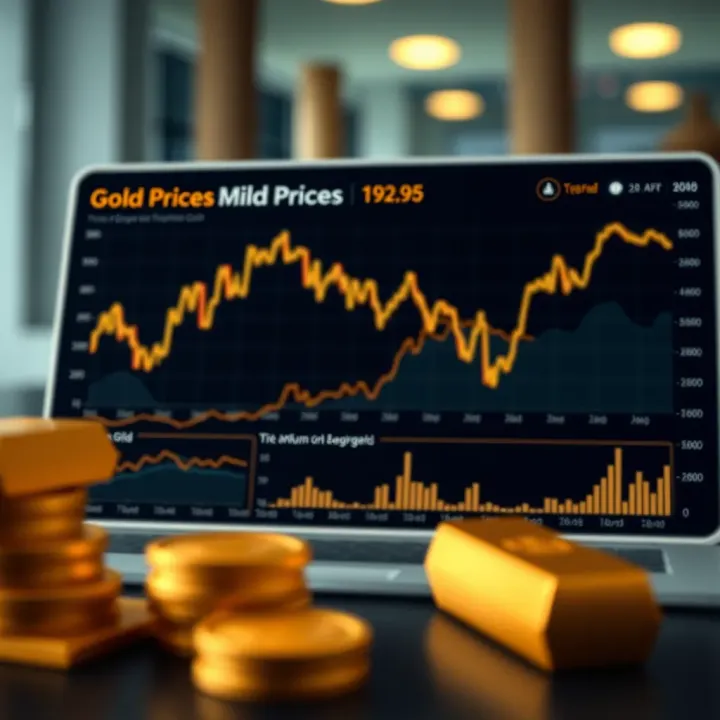
Not all gold is made equal. Pure gold is 24 karats, so 18K gold holds three-quarters of that purity. If the current price of pure gold is around $60 per gram, the raw gold value in 4 grams of 18K gold would total approximately $180 (4 grams × $60 × 0.75).
But remember, the final cost buyers pay includes factors beyond just the gold content. Craftsmanship, brand premium, and market demand play their roles.
Gold prices fluctuate daily, influenced by inflation, interest rates, geopolitical tensions, and currency values, especially the US Dollar. For example, during economic uncertainty, gold often rises as a safe haven. Traders and investors track these changes closely to decide the best buying or selling moment.
When assessing 4 grams of 18K gold, watch out for the following:
Spot Price: The current price for pure gold per gram.
Karat Multiplier: For 18K, multiply spot price by 0.75.
Additional Costs: Markups for design, retailer fees, and taxes.
An example: If the spot price hits $62 per gram, then 4 grams of 18K gold's base value is 4 × $62 × 0.75 = $186. Add a 10% markup, and the price crosses roughly $205.
For investors and entrepreneurs, getting a quote that breaks down these factors can prevent overpaying.
Check the current spot price daily.
Understand the seller's markup and negotiate if possible.
Verify the gold's authenticity with trusted appraisers or certificates.
Consider the market cycle; sometimes holding off leads to better prices.
Understanding these points puts you in control of transactions involving small quantities like 4 grams of 18K gold. It’s not just about weight but knowing what influences value both on and off the market.
Understanding the basics of 18K gold and its purity is essential when evaluating its price. The purity directly influences the gold's value, appearance, durability, and suitability for jewelry or investment. If you're looking to buy, sell, or trade 18K gold, knowing these fundamentals can help you spot fair deals and avoid costly mistakes.
Gold purity is measured in karats, representing the proportion of pure gold in the alloy. Pure gold is 24 karats, meaning 100% gold content. For 18K gold, 18 parts out of 24 are pure gold, which equals 75% purity. The remaining 25% consists of other metals like copper, silver, or nickel. These metals bolster the durability and influence the color—rose gold gets its pinkish hue mainly from copper.
This 75% gold content makes 18K gold a popular choice for those wanting substantial gold content while maintaining enough hardness for everyday wear. It's softer than 24K but still has a rich gold look.
Compared to 14K gold, which contains about 58.5% gold, 18K gold has a higher value due to its richer gold content. Yet, 14K tends to be more scratch-resistant because of the higher presence of alloy metals. Meanwhile, 24K gold is the purest but far softer, prone to bending or scratching easily.

For traders or investors, choosing between 18K and other purities depends on balancing purity with practicality. For example, if you're flipping gold jewelry, 18K offers both investment value and durability. On the other hand, if your focus is strictly on gold content without concern for wear, 24K bullion may serve better.
Gold is commonly measured by weight in grams, especially for trading or pricing. Four grams of 18K gold means there's exactly that much weight, combining pure gold and alloy metals. Grammage impacts cost directly: when the price per gram of pure gold moves, the total value of any given weight fluctuates accordingly.
Using grams simplifies trading and comparison. For example, if spot gold price is $60 per gram, the pure gold content of 4 grams of 18K gold (which is 75% pure) is worth $180 (4 grams × 0.75 × $60). This base number serves as the starting point before adding craftsmanship or dealer premiums.
The jewelry industry adheres to precise standards to ensure consistency. Typically, gold weight refers to the net weight of the piece, excluding stones or mountings. When buying or selling gold, scales calibrated to at least 0.01 grams accuracy verify the true weight.
To prevent fraud, reputable dealers provide certificates or assay marks confirming weight and purity. This transparency protects buyers and investors from short-weighing or mislabeling. Knowing these standards helps you gauge if a seller's claim about 18K gold pieces holds water.
Bottom line: mastering the basics of 18K gold purity and measurement equips you with the tools to assess value confidently, spot scams, and make smarter investment or trading decisions.
Understanding the current market factors is key to grasping why the price of 4 grams of 18K gold fluctuates. These factors don't just affect gold broadly—they directly influence the per-gram price you might pay or receive. Investors, traders, and entrepreneurs alike need to stay sharp on these because market shifts can change things quickly.
Spot price trends reflect the current buying and selling price for pure gold on international markets. Since 18K gold is 75% pure, its price closely follows the spot price of pure gold, adjusted for purity. This means if the spot price rises due to, say, a surge in demand or weaker dollar, the price for 18K gold generally climbs too. For example, if the gold spot price moves from $1,900 to $2,000 per ounce, the cost for 4 grams of 18K gold will spike accordingly.
Economic and geopolitical influences often trigger movements in spot prices. Economic uncertainty, like inflation fears or a slowing economy, tends to boost gold prices as investors look for safe havens. Similarly, geopolitical tensions—imagine a conflict disrupting oil supplies or trade routes—can ramp up gold buying, pushing prices higher. These influences aren’t isolated; they mix and sometimes lead to sharp and unexpected price swings, affecting the gold you’re buying or selling.
Effect of supply and demand differs from place to place. In markets where jewelry demand surges around holidays or weddings, local prices for 18K gold might rise beyond just global spot shifts. For example, in parts of the southwestern U.S. where gold jewelry is culturally significant, spikes in demand can push premiums above the spot price. On the flip side, if a local refinery shuts down or gold imports slow, supply tightens, nudging prices higher.
Regional price differences show up due to taxes, import duties, and dealer competition. For instance, states with higher sales taxes or strict gold regulations might price 18K gold higher than others. Also, local dealer margins can vary—urban centers with multiple jewelers might offer better rates than rural areas with limited sellers. So, the 4 grams of 18K gold you want could cost more or less just depending on where you shop.
Remember, the price of 18K gold isn’t just about the metal itself—it’s influenced by a tangled web of global and local forces. Paying attention to these market factors helps you spot the best time to buy or sell and avoid paying too much.
To sum it up, keeping an eye on global spot prices along with local market detail is the best way to understand how the price tag of 4 grams of 18K gold shifts. These factors matter whether you’re making a one-time purchase or running a trading business.
Calculating the price of 4 grams of 18K gold is a practical skill that helps investors, traders, and sellers make informed decisions. Knowing how to break down the cost beyond just the current gold spot price allows you to better negotiate purchases and sales, identifying where value is and where premiums exist. This calculation combines the actual gold content with additional costs like workmanship and retailer fees, offering a clearer picture of what you’re paying for.
Raw gold content in 18K gold: 18K gold means the alloy is 75% pure gold, with the remaining 25% made up of other metals like copper or silver. When you have 4 grams of 18K gold, the actual pure gold it contains is 4 grams multiplied by 0.75, which equals 3 grams of pure gold. This is crucial because gold prices are quoted per gram of pure gold, so you calculate the base cost by multiplying the spot price by these 3 grams.
Adding craftsmanship and retailer margins: The raw material cost is just the start. Jewelry and gold products often involve additional charges for craftsmanship, design complexity, and retailer markup. These extra percentages vary widely—sometimes 10% to 30% or more based on brand, exclusivity, and local market conditions. For example, a handcrafted 18K gold ring will cost more than raw metal because of labor and overheads involved. Recognize these costs to avoid overpaying or misjudging resale value.
Sample price estimation based on current rates: Suppose the spot price of pure gold is $60 per gram. For 4 grams of 18K gold, the pure gold content is 3 grams. Multiply 3 grams by $60 to get $180 as the base metal price. Adding 20% craftsmanship and retailer margin leads to a final price of $216 ($180 + $36). This simple example helps set expectations around pricing in real transactions.
Variations based on different market conditions: Prices won’t always be steady—economic events, currency fluctuations, or regional supply gaps can cause spot prices to rise or fall sharply. Additionally, local taxes or import duties might add to costs, especially outside bullion markets. For instance, during times of high demand or gold market volatility, retailers may raise premiums higher than usual, pushing prices above calculated base values. Being aware of these factors lets you identify good deals and avoid shaky timing.
Understanding each component in the price helps you see through apparent costs, giving you an edge in negotiating or evaluating offers.
By mastering this calculation, you get a clearer grasp on what you’re actually paying for in your 4 grams of 18K gold—helping you buy smarter or price your gold accurately when selling.
Navigating the gold market can be tricky without the right know-how. Whether you're buying or selling 4 grams of 18K gold, understanding how to verify purity and authenticity and knowing market strategies is key. These tips help protect your investment and ensure you get a fair price.
The simplest way to check 18K gold's authenticity is through acid testing, which uses a small drop of acid to see how the metal reacts. While it’s a quick approach, it requires care to avoid damaging the piece. For a non-invasive option, electronic gold testers measure the metal's electrical conductivity, giving an instant readout — handy if you want to avoid scratches.
Another practical method is using X-ray fluorescence (XRF) machines, often found in pawn shops or jeweler labs. They provide an accurate breakdown of metal composition without harming the item. If you’re investing, this precise reading can be worth the small fee.
A certificate from a reputable gemological lab or assay office is like a gold stamp of approval. It officially states the purity and authenticity of your 18K gold, which boosts buyer confidence and resale value. For example, well-known labs like the Gemological Institute of America (GIA) provide reports that detail metal content and craftsmanship.
Certificates also help avoid scams since they’re harder to fake than plain stamps on jewelry. When selling, presenting certification can make your gold stand out to dealers who prefer verified products, potentially fetching a better price.
Gold prices fluctuate daily based on global events, economic reports, and market sentiment. Timing your buy when prices dip—like during a market correction—or waiting to sell when prices spike can add hundreds of dollars to your wallet. For instance, gold tends to rise during economic uncertainty, so selling during such times might net higher returns.
On the flip side, avoid impulse purchases during price surges to prevent overpaying. Tracking the daily spot price through reliable sources can guide your decisions for both buying and selling.
Don’t settle for the first dealer who offers to buy or sell your 18K gold. Prices can vary widely depending on their overhead costs, location, and willingness to negotiate. Visiting multiple dealers or using online buyback platforms lets you compare quotes.
For example, local jewelers might offer lower prices than specialized gold buyers or larger pawnshops. Meanwhile, online gold buyers often provide competitive rates but watch out for hidden fees or shipping risks. Always ask for a detailed breakdown of the offered price, including any fees.
Getting the best deal on 18K gold means combining careful verification with smart timing and a bit of market shopping. These practical steps help you avoid common pitfalls and make informed moves in the gold market.
📊 Aprende a configurar TradingView para operaciones financieras en Colombia. Optimiza análisis técnico, integra corredores y personaliza tu experiencia con consejos prácticos.

📈 Descubra todo sobre Olymp Trade: cómo funciona, sus beneficios y riesgos, consejos para invertir seguro y evitar fraudes en Colombia y Latinoamérica. 💡

📉 Descubre cómo convertir yuan chino (CNY) a peso colombiano (COP), entienda tasas, factores de variación y cómo optimizar tus operaciones desde Colombia a China.

📈 Aprende a usar Deriv y TradingView juntos para optimizar tus operaciones de trading en Colombia, con análisis técnico confiable y prácticas seguras. 💻🇨🇴
Basado en 8 reseñas