
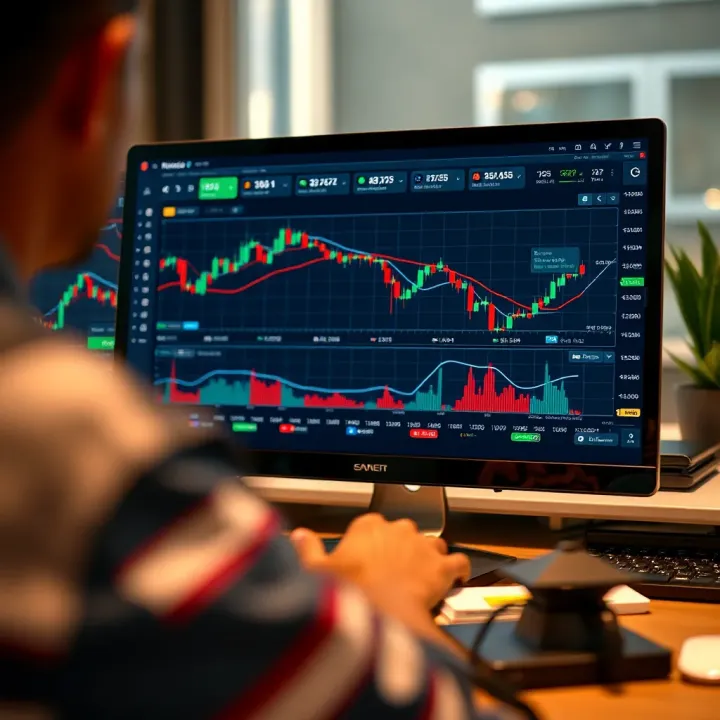
Guía completa sobre aplicaciones de trading
📊 Descubre cómo elegir tu app de trading ideal, conoce funciones clave, consejos de seguridad y mejora tus operaciones en Bolsa hoy mismo.
Editado por
Carlos Martínez
Automated trading uses computer algorithms to execute trades automatically in financial markets. These systems analyze market data, identify trading opportunities, and place buy or sell orders without human input. For investors and traders, understanding how this technology functions is key to making smarter decisions.
At its core, automated trading relies on predefined rules. Examples include executing a trade when a stock reaches a certain price or when technical indicators signal a trend change. This means trades happen faster and more consistently than manual trading, which depends on human judgment that can be slow or emotional.
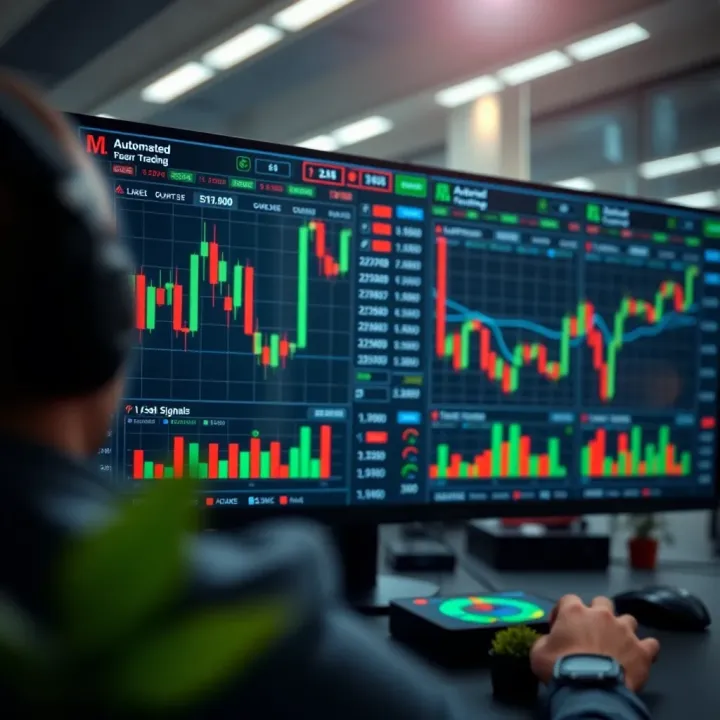
Automated systems offer speed and precision, but they’re not foolproof. Knowing their strengths and limits is essential before trusting any strategy.
Data Input: Real-time market data streams into the system.
Algorithm Processing: The software applies trading rules and models to interpret the data.
Order Execution: If criteria are met, trades are automatically placed with brokers.
This process operates 24/7 in many markets, including stocks, forex, and cryptocurrencies, allowing for continuous market participation.
Benefits:
Eliminates emotional trading mistakes.
Executes trades faster than humans.
Can backtest strategies on historical data.
Risks:
Dependent on algorithm accuracy; flawed code leads to losses.
Market conditions can change rapidly, making rigid algorithms obsolete.
Technical issues or connectivity failures can disrupt trades.
Imagine a trader uses an algorithm that buys shares of Tesla when its 50-day moving average crosses above the 200-day moving average—a classic "golden cross" signal. The automated system watches daily prices and executes the trade instantly at market trends signals, leaving no room for delays.
Understanding these basics helps investors and professionals pick suitable platforms and develop realistic expectations. Automated trading is a tool—not a magic bullet—and knowing how it really works leads to better outcomes.
Understanding how automated trading systems operate is key to grasping their role in modern finance. These systems use algorithms to make trading decisions and execute orders without human input, letting you trade more efficiently, react faster to market changes, and handle complex data sets that would overwhelm manual processes.
Algorithm design and signals stem from a set of rules that determine when to buy or sell assets. These algorithms scan the market for specific signals—like price thresholds, volume spikes, or technical indicator crossovers—and act accordingly. For example, an algorithm might be programmed to buy a stock when its 50-day moving average crosses above the 200-day moving average, aiming to catch upward trends early.
Order execution mechanisms handle placing trades once the algorithm decides to act. This part of the system interfaces directly with trading platforms or brokers to send orders instantly and efficiently, often managing order size and timing to minimize market impact. If you're trading volatile stocks, this precision execution can help avoid slippage, where the actual trade price differs from the expected one.
Data input and market analysis provide the foundation for all decisions. Automated trading systems rely on real-time market data, news feeds, economic indicators, and historical price data to inform their signals. For instance, access to accurate, up-to-the-second bid-ask spreads allows the system to evaluate liquidity before trading, reducing the risk of poor executions.
Rule-based systems operate on predetermined criteria. These are straightforward setups where the system follows fixed rules—like "sell if the RSI exceeds 70". They suit traders who prefer transparency and consistency, as you can clearly understand and adjust the rules applied.
Machine learning models take it a step further by analyzing vast data to identify patterns without explicitly programmed rules. They adapt based on new data, potentially improving over time by "learning" from past outcomes. A hedge fund using machine learning might spot subtle price movements that traditional systems miss, though the tradeoff is sometimes less interpretability.
High-frequency trading platforms focus on speed and volume, executing thousands of orders within seconds. These platforms capitalize on tiny price differences arising from market inefficiencies. For example, a high-frequency trader might exploit price gaps between a stock listed on multiple exchanges, profiting from rapid arbitrage before others notice. Speed and direct exchange access are their competitive advantages.
Automated systems vary widely, but understanding their components and types helps you decide what fits your trading style and goals. Whether you’re a hands-on trader or want to set it and forget it, there’s an automated setup that can work.
Bottom line: grasping how these systems operate enables you to better evaluate their benefits and risks in your trading or investment strategy.
Automated trading systems have become an increasingly popular choice among traders and investors mainly because they offer a mix of clear benefits and some noteworthy drawbacks. Understanding these can help you decide how (or if) to integrate automation into your trading strategy.
Speed and efficiency in execution take the spotlight when it comes to automated trading. Computers can execute orders in milliseconds—much faster than any human trader. This speed matters a lot, especially in markets where prices change so rapidly that a delay of even a second can mean the difference between profit and loss. For instance, high-frequency trading firms rely on algorithms that send thousands of trades every second to capture tiny price differences.
But speed is just the start. Automation also boosts efficiency by handling huge volumes of trades across different assets without breaking a sweat. Say you want to test a strategy that buys when a stock hits new highs while shorting another asset if it breaks below a moving average—that’s a tall order for manual trading but straightforward for an automated system.
Another major advantage is emotional detachment from trading decisions. Human traders often struggle with fear, greed, or hesitation that can cloud judgment and lead to impulsive moves. Algorithms, on the other hand, stick strictly to their programmed rules regardless of market swings. They won’t panic sell in a flash crash or hold on too long hoping for a rebound. This consistency can significantly improve long-term performance.
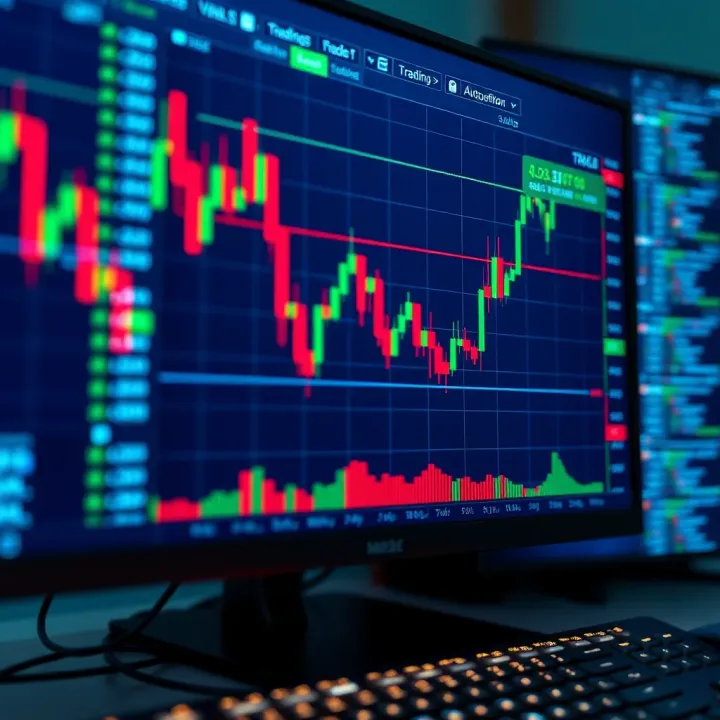
Finally, automated systems can process multiple markets simultaneously, a feat almost impossible for a single trader. Imagine monitoring stocks, commodities, forex, and cryptocurrencies all at the same time. Automation tools can scan these markets, analyze data, and execute trades based on predefined criteria without missing a beat or getting overwhelmed. This broad approach diversifies opportunities and helps spread risk better.
No system is perfect, and automation has its share of challenges. One of the biggest risks is technical failures and glitches. Software bugs, connectivity drops, or power outages can freeze your system or send incorrect orders. For example, the "Flash Crash" of 2010 was partially triggered by automated trading glitches that caused rapid, unintended price swings. Regular monitoring and fail-safes are essential for managing this risk.
Then there’s the problem of over-optimization and false signals. It’s tempting to tweak your algorithm obsessively to match historical data perfectly. But often, these finely tuned systems fail in real trading because they’re tailored to past quirks that don’t repeat in the future. It’s like memorizing specific test answers instead of learning the subject. The key is to design strategies robust enough to handle various market conditions rather than just excel in backtesting.
Finally, automated trading systems show a lack of flexibility in rapidly changing markets. When unexpected news hits or when market behavior shifts dramatically, an algorithm that relies on fixed rules might not adapt quickly enough. While human traders can interpret context, consider new info, and adjust their moves, automated systems can only react based on their programming. This rigidity sometimes results in losses or missed opportunities during volatile periods.
The bottom line is automated trading offers fast, emotion-free execution across many markets but requires careful oversight to avoid technical pitfalls and strategic mistakes.
By weighing these pros and cons, you can figure out how automation fits within your own trading goals and risk tolerance.
Choosing the right automated trading platform makes a big difference in how effectively you can trade. With so many options out there, it’s not just about picking the flashiest software. You need something that fits your style, meets your technical needs, and can handle the markets you want to trade. Picking the wrong platform can lead to missed opportunities or system frustrations that eat into your profits.
User interface and ease of use are fundamental for smooth trading. If the platform feels clunky or confusing, you might make errors or waste time figuring out how to execute trades. A clean, intuitive layout helps you monitor your strategies at a glance and make quick adjustments when necessary. Think of it like driving a car; even if it’s powerful, if the controls are awkward, you won’t get the most from it.
For example, MetaTrader offers a straightforward interface that appeals to both beginners and advanced traders, with clear charting tools and easy access to technical indicators. On the other hand, NinjaTrader might take a bit more time to learn but offers deep customization once you’re familiar.
Supported markets and assets are next on the checklist. Some platforms focus heavily on Forex, while others offer stocks, futures, or crypto. If you want flexibility to trade multiple asset classes without hopping between software, check the platform’s supported markets. For instance, TradeStation offers a wide range, including stocks, options, futures, and cryptocurrencies, which gives traders the freedom to diversify.
On the flip side, if you mostly trade a niche market like foreign exchange, a specialized platform like MetaTrader might serve you better because it’s tailored to that market’s nuances and liquidity.
Customization and backtesting options allow you to fine-tune your strategies before risking real money. Being able to simulate how your system would have performed using historical data can save you from costly mistakes. A good platform lets you tweak algorithms, set parameters, and test across different market conditions.
NinjaTrader shines here with robust backtesting features and the ability to customize strategies using C#. Those who code can build very specific tools to fit their style. On the other hand, MetaTrader’s MQL language also allows crafting detailed automated strategies but with a steeper learning curve.
Backtesting isn’t just a luxury; it’s essential. Running your system through past market ups and downs helps you spot weaknesses and optimize for real-world effectiveness.
MetaTrader is widely regarded as the go-to for Forex traders and others who want a solid mix of simplicity and power. It supports automated trading through Expert Advisors (EAs) and has a large community exchanging strategies and code snippets. Its charting tools and analytical features are reliable, making it easier to develop and refine automated systems.
NinjaTrader appeals to active traders who want more control and customization. It's especially popular for futures and options trading. NinjaTrader has advanced order execution capabilities and supports sophisticated algorithmic methods. Although it demands a steeper learning curve than MetaTrader, it rewards users with deeper control over strategy design and data analysis.
TradeStation offers a polished, all-in-one platform covering a broad range of asset classes, including stocks and crypto. It’s built for serious traders looking for comprehensive features like real-time data, advanced charting, and powerful scripting (EasyLanguage) for strategy development. TradeStation also supports both automated and manual trading well, making it a versatile choice.
The bottom line is that picking the right automated trading platform hinges on your specific needs: your markets, your comfort with technology, and how much customization you require. Test out demos where possible; nothing beats hands-on experience before committing.
Selecting the proper platform isn't just the first step—it's the foundation for your success in automated trading.
Automated trading strategies serve as the engine behind many algorithm-driven trades. Understanding these strategies is essential because they determine how the software interprets market data and executes trades. For traders and investors, knowing the mechanics of these strategies helps in picking the right approach suited to their goals and market conditions.
Trend following is all about catching the wave rather than predicting it. Automated systems track price movements to spot when an asset is consistently moving in a particular direction—up or down. The goal is to enter the market early during an established trend and ride it until signs of reversal appear. This approach works well during sustained rallies or declines, such as a strong upswing in tech stocks following positive earnings reports.
For example, if a stock has been climbing steadily over several days or weeks, a trend-following algorithm might open a buy position and hold it until the movement slows. This method benefits from the momentum and can generate profits without trying to time tops or bottoms, which is tricky even for seasoned traders.
Moving averages are classic tools in trend-based strategies. They smooth out price data to help clarify the direction of a trend. Automated systems often use crosses between short-term and long-term moving averages as signals. For instance, when a 50-day moving average crosses above the 200-day moving average, the algorithm might interpret this as a bullish signal and execute a buy order.
Other indicators like the Moving Average Convergence Divergence (MACD) and Average Directional Index (ADX) help refine timing by measuring momentum strength or trend changes. Automated trading platforms commonly incorporate these indicators because they translate well into clear, rule-based decisions, which reduces hesitation and emotional interference.
Mean reversion strategies bank on the idea that prices tend to return to their average over time. When an asset's price moves far away from its average value, automated systems anticipate a correction back toward that mean. This strategy is useful in markets where prices fluctuate around a stable range rather than trending continuously.
For example, if a stock spikes hugely in a single day but lacks fundamental reasons for such a move, the algorithm might place trades betting on a pullback to typical price levels. These corrections offer potential profit opportunities without relying on sustained trends.
Tools like Bollinger Bands visually mark the upper and lower bounds of a price’s typical range, created by standard deviations from a moving average. When prices move outside these bands, automated strategies can trigger trades expecting a bounce back inside the range.
Similarly, the Relative Strength Index (RSI) measures if an asset is overbought or oversold. RSI values above 70 or below 30 can signal potential reversals. Algorithms using RSI can enter sells on overbought signals and buys on oversold signals, capturing profits from expected price corrections.
Arbitrage strategies capitalize on price mismatches for the same asset across different markets or exchanges. These discrepancies may arise from latency, supply-demand differences, or other factors. Automated systems scan multiple platforms simultaneously to detect and act on such gaps before they close.
For instance, a cryptocurrency might trade at $51,000 on one exchange and $50,950 on another. An arbitrage bot can buy the cheaper and sell the pricier simultaneously, locking in a small, risk-free profit repeatedly.
In arbitrage, milliseconds count. The faster your system detects and acts on price disparities, the higher the chance of success before others jump in or prices align. This is why high-frequency trading firms invest heavily in low-latency infrastructure.
Automated platforms that execute trades instantly outperform manual trading efforts here. Speed not only ensures profit capture but also reduces exposure to sudden market shifts that might wipe out expected gains.
Understanding these strategies equips you to choose or tweak automated trading systems effectively, matching tactics to market behavior and your risk tolerance. Every strategy has its strengths and limitations, so combining insights can improve overall trading results.
Automated trading doesn't just operate in a vacuum; it must follow rules set by regulatory bodies to keep markets fair and orderly. Understanding these regulations helps traders avoid costly mistakes and stay compliant, which is essential for running automated systems smoothly. At the same time, protecting your trading data and credentials from breaches ensures your strategies and capital stay safe in a digital world.
Regulations affecting automated trading govern how these systems can operate, especially in U.S. markets regulated by the Securities and Exchange Commission (SEC) and the Commodity Futures Trading Commission (CFTC). For example, the SEC enforces rules to prevent market manipulation and requires that automated systems don’t flood the market with excessive orders that disrupt normal trading. Traders relying on automated systems need to familiarize themselves with these guidelines to avoid penalties.
Regulations also dictate the use of fair access policies and monitoring protocols. Many exchanges now demand that automated trading firms register as broker-dealers or comply with specific market access rules. Failure to comply can lead to fines or restrictions on trading privileges, making regulatory knowledge not just a formality but a necessity.
Reporting and audit requirements are equally important. Many regulators require firms to keep detailed logs of automated trading activity, including order flow, modifications, and executions. These records are vital for audits or in case of disputes. For instance, under the SEC’s Market Access Rule, firms must demonstrate risk controls and maintain audit trails that can quickly reconstruct trading activity.
Accurate reporting ensures transparency and allows regulators to detect anomalies such as spoofing or wash trading. For traders, maintaining these records also supports performance reviews and helps identify bugs or misfires in their algorithms. Using automated platforms that facilitate detailed reporting can make this task far less tedious.
Safeguarding trading data and credentials is a critical step. Automated trading depends heavily on APIs and direct market access, which means your login details and strategy data must be protected with strong passwords, two-factor authentication, and encrypted storage. A leaked API key could allow unauthorized access, potentially causing financial loss or manipulative trades.
For example, some traders use hardware security modules (HSMs) or dedicated VPNs to enhance security when connecting to trading platforms. Regularly updating software and monitoring account activity can catch leaks early before they cause significant damage.
Managing risks of cyberattacks and fraud goes beyond just passwords. Automated trading accounts are attractive targets for hackers because of their direct market impact. A cyberattack might inject false signals, disrupt order flows, or even steal funds through fraudulent withdrawals.
To limit exposure, traders should segregate their funds between live and testing accounts, use firewalls, and maintain backups of critical configurations. Some platforms offer built-in fraud detection that flags unusual activity patterns. Partnering with reputable brokers who follow robust cybersecurity standards also lowers risks. Staying alert to phishing attempts and suspicious emails rounds out a solid defense against these threats.
Protecting your automated trading environment isn’t just about technology; it’s about creating a disciplined routine to monitor compliance and security consistently.
By understanding regulation and implementing strong security practices, traders can confidently use automated systems while avoiding legal pitfalls and keeping their assets safe.
📊 Descubre cómo elegir tu app de trading ideal, conoce funciones clave, consejos de seguridad y mejora tus operaciones en Bolsa hoy mismo.
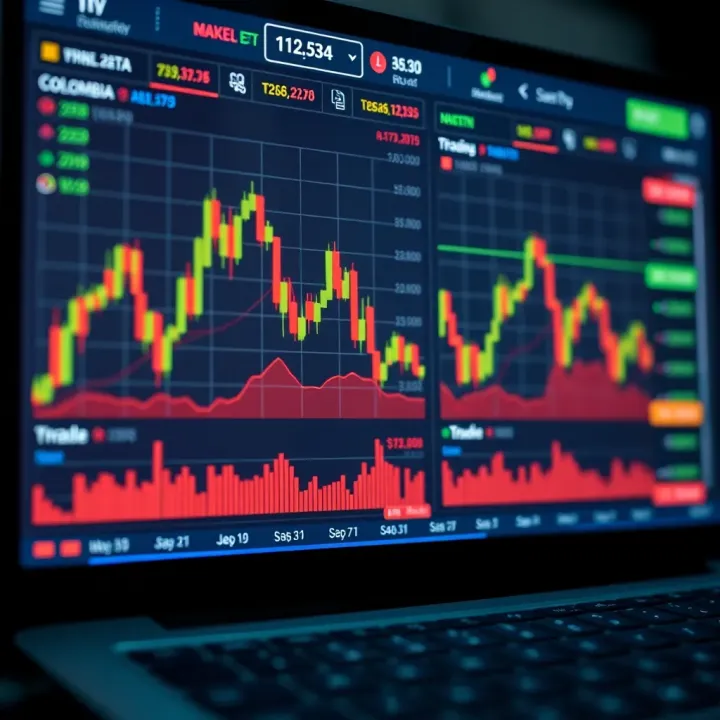
📈 Descubre las mejores páginas de trading en Colombia para invertir con seguridad. Tips, opciones según perfil y cómo operar responsablemente desde casa.
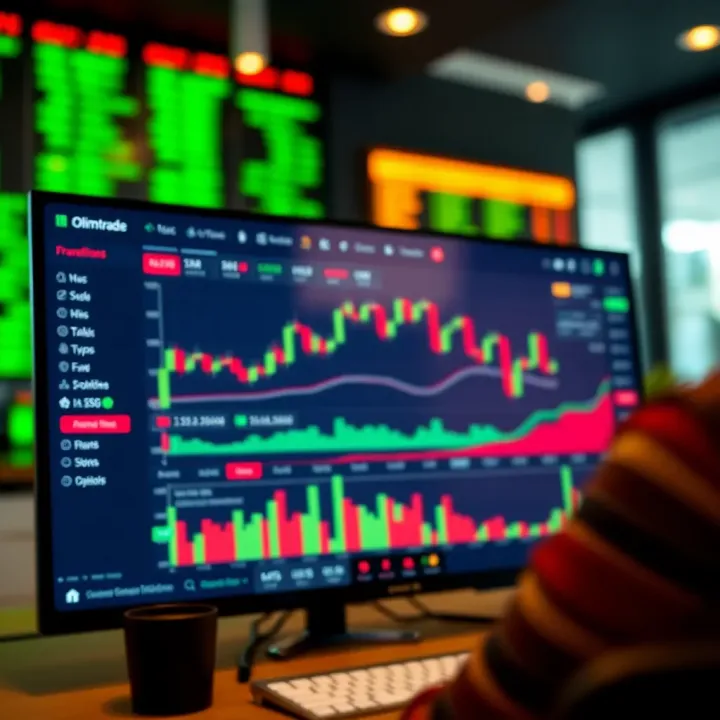
📈 Descubre Olimtrade, la plataforma para trading con opciones binarias y mercados financieros. Aprende cómo operar seguro y aprovecha sus ventajas en Colombia 🇨🇴
📈 Aprende a hacer trading de criptomonedas con nuestra guía completa: estrategias, análisis técnico y gestión de riesgos para operar seguro y con confianza.
Basado en 8 reseñas