
Cómo convertir 148 dólares a pesos colombianos
💵 Aprende a convertir 148 dólares a pesos colombianos fácilmente. Conoce el tipo de cambio actual, consejos para mejores tasas y cómo afecta la fluctuación.
Por
Javier Rojas
Editado por
Javier Rojas
Understanding Colombian pesos means getting familiar with both practical and economic details. The Colombian peso, symbolized as COP, is the official currency of Colombia. It’s widely used in daily transactions, but its high denomination numbers often confuse foreigners.
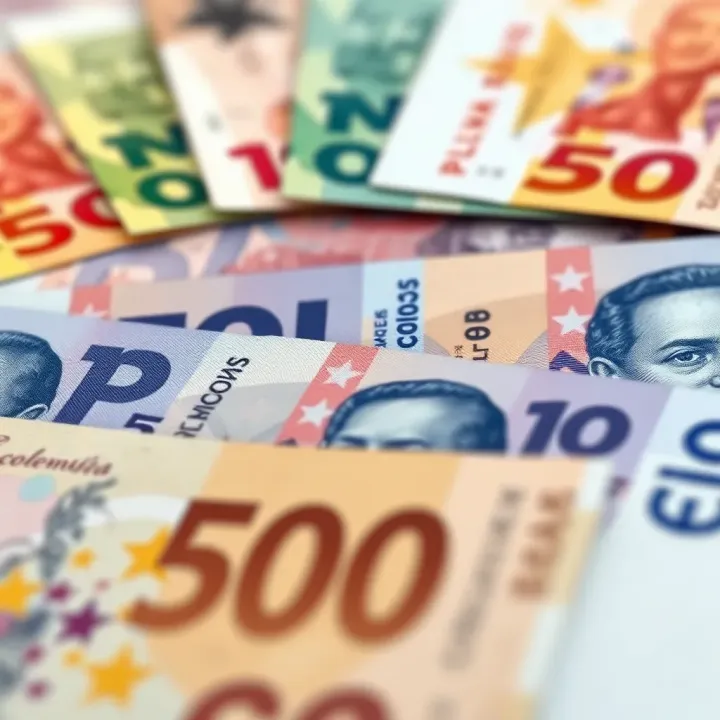
The peso is subdivided into 100 centavos, although in practice, centavo coins are rarely used because prices are mostly rounded to the nearest 50 or 100 pesos. The banknotes range from 1,000 to 100,000 pesos, with 50,000 and 100,000 notes being common. Coins are usually in denominations of 50, 100, 200, 500, and 1,000 pesos.
Prices in Colombia might look large compared to the US dollar but don’t let the numbers throw you off. For example, a cup of coffee might cost 5,000 COP, which is about $1.20 at a typical exchange rate of 4,200 COP to $1. This scale difference means that Colombians price goods in what feels like thousands, but when converted, values tend to be similar to what you'd expect in the US.
Exchange rates fluctuate based on global markets, inflation, and Colombia’s economic policies. On average, 1 USD has hovered around 4,000 to 4,500 COP in recent years, but sudden changes can happen, especially during political or economic shifts.
When converting, the bottom line is to check real-time rates through reliable sources like XE, OANDA, or financial news instead of relying on outdated numbers.
Use bank ATMs instead of currency exchange kiosks whenever possible; banks typically offer better rates and lower fees.
Avoid exchanging money at airports as the rates are usually less favorable.
Be aware of commission fees when converting dollars or other currencies to pesos.
Consider carrying a travel card that supports currency conversion with minimal fees for daily purchases.
Cash is king in many parts of Colombia, so always have sufficient Colombian pesos on hand. Some smaller vendors and rural stores don’t accept cards. Also, consider that some prices you see may not include VAT or service charges, especially in restaurants or tourist areas.
Mastering these basics gives you a practical edge whether you're investing, trading, consulting, or just getting a handle on local business transactions involving Colombian pesos.
Understanding the Colombian peso is essential for anyone looking to navigate Colombia's economic landscape, whether you're investing, trading, or running a business. The peso, represented by the symbol COP, is more than just a currency; it's a reflection of Colombia's economic history, current market conditions, and future opportunities.
Grasping its origins and how it functions in the country's economy helps investors and entrepreneurs make smarter decisions. For example, knowing the peso's volatility or inflation rate can influence when to convert currency or negotiate contracts.
The Colombian peso dates back to the early 19th century, evolving from colonial currencies used during Spanish rule. It replaced the real in 1810 as Colombia sought monetary independence during its fight for sovereignty. This historical backdrop gives context to current economic policies and the currency’s perceived stability.
For a trader, understanding this legacy is useful because it shows that the peso has long been tied to shifts in political and economic stability. These historical shifts still impact currency valuation and market sentiment today.
The peso acts as the backbone of Colombia’s domestic transactions. It's the unit of account in public finances, wages, and retail pricing. For businesses dealing in the Colombian market, the peso affects everything from pricing strategies to financial reporting.
Currency fluctuations can significantly impact exporters or importers, as most international trade involving Colombia requires conversion between pesos and stronger currencies like the U.S. dollar. Knowing the peso’s role helps consultants and analysts advise clients better in risk management and forecasting.
Colombia issues a series of banknotes ranging from 1,000 to 100,000 pesos, and coins from 50 to 500 pesos. The banknotes feature national heroes and cultural symbols, which makes it easier to detect counterfeits—a practical skill for cash handlers and merchants.
Given inflation trends, smaller denominations might be less common in everyday use but are still important for exact pricing in markets and public transport. Recognizing the physical form of currency helps when dealing with cash-heavy regions or informal sectors.
Digital payments have made big strides in Colombia, especially with apps like Nequi and Daviplata that operate as digital wallets linked to Colombian bank accounts. Many businesses, from big retailers to street vendors, now accept QR code payments or mobile transactions.
This shift is crucial for entrepreneurs and traders since digital currencies reduce risks tied to carrying cash and provide easier transaction tracking. However, knowing where digital payment methods are accepted remains important; rural areas still rely heavily on cash.
Familiarity with both physical and digital forms of the Colombian peso ensures smoother transactions and better financial planning, especially when handling day-to-day business or travel expenses.
Understanding these basics sets you up to better interpret prices, convert currencies efficiently, and manage risks related to Colombia’s unique economic environment.
Getting a grip on how prices are communicated in Colombian pesos matters a lot for investors, traders, and entrepreneurs dealing with the local market. If you can't read or interpret price tags correctly, you might misjudge costs, underestimate expenses, or miss investment opportunities. It’s not just about knowing a number but understanding the currency symbols, notations, and typical ranges that local stores and online platforms use. This knowledge helps you assess value properly and align business decisions with real market conditions.
In Colombia, prices are usually shown with the "$" symbol, which can confuse people used to associating the dollar sign with USD. Here, "$" stands for Colombian peso (COP). Sometimes, you’ll see “Col$” to clarify it’s Colombian pesos, especially on international websites or currency exchanges. Pay attention because seeing just "$" doesn’t mean USD; context is key.
Amounts normally use a period as a thousands separator and a comma for decimals, so 1.200,50 actually represents 1,200 pesos and 50 cents. However, cents don’t commonly feature in daily transactions since coins for centavos are rarely used.
At physical stores and markets, prices often appear straightforward with just the number and "$" sign, like "$5,000", for things like a bus ticket or lunch. In some tourist-heavy spots or on online shops, prices may be shown in both COP and USD, but usually, locals deal only in pesos.
Online platforms, especially e-commerce or booking sites, tend to be clearer by explicitly stating "COP" or "USD" to avoid confusion. For example, you might see "COP 150,000" or "USD 40" for a hotel night. Prices are typically rounded up to the nearest 100 pesos to keep things simple, so don’t expect exact change in most cases.
Simple things like a bottle of water or a snack in Bogotá cost around 2,000 to 4,000 pesos ($0.50 to $1). Public transport fares hover near 2,500 COP, and a basic meal at a local eatery might range between 8,000 and 15,000 pesos. These modest price points give a feel for the general cost of living and help businesses set competitive prices when targeting everyday consumers.
For significant items like electronics, SUVs, or office space rentals, prices jump considerably. A mid-range smartphone might cost around 600,000 to 1,200,000 pesos ($150 to $300), while monthly office rent in Cali or Medellín varies from 1 million to 3 million COP depending on location and size. Understanding these scales is vital for entrepreneurs calibrating budgets or investors gauging asset values.
Knowing how prices are shaped and shown in Colombian pesos not only avoids confusion but empowers smarter financial moves when operating here. Always cross-check the currency and the number format before making major commitments.
This section lays the groundwork for confidently reading local prices and evaluating deals in Colombia’s peso-denominated marketplace.
Understanding how to convert Colombian pesos (COP) to US dollars (USD) or other major currencies is key for investors, traders, analysts, entrepreneurs, and consultants dealing with the Colombian market. Accurate conversion lets you evaluate costs, profits, and risks in a common benchmark currency, making cross-border financial decisions clearer and more straightforward.
The Colombian peso's exchange rate fluctuates due to various economic and global factors. Inflation rates, commodity prices—especially oil and coffee, which Colombia exports heavily—and political developments can cause its value to rise or fall. For instance, a sudden drop in oil prices might weaken the peso, making imports more expensive and impacting businesses that rely on foreign goods.
Central bank policies also affect currency strength. If the Banco de la República raises interest rates, it might attract foreign investment, strengthening the peso. On the flip side, political instability or fiscal deficits can reduce investor confidence, pushing the peso down.
Reliable exchange rates are essential for precise currency conversion. Financial news platforms such as Bloomberg or Reuters provide up-to-date currency data, including COP/USD rates. Banks and official exchanges like Colombia's central bank website also publish daily rates. These sources reflect market realities better than rates offered by street exchangers.
When checking rates, keep in mind that the "mid-market" rate shown on these platforms differs slightly from retail exchange rates due to fees and spreads. For real-world transactions, ask your bank or currency exchange service for their offered rates to avoid surprises.
Always choose trustworthy sources for your currency conversions. Banks, licensed exchange houses, and official financial websites provide transparent, updated rates. If you're running financial models, pulling exchange rates from reputable APIs ensures your figures stay accurate.
Avoid relying on rates from unfamiliar apps or informal sources; these can be outdated or manipulated, potentially undercutting your financial calculations.
A common mistake is neglecting conversion fees hidden in poor exchange rates. For example, changing pesos at airport kiosks often comes with steep premiums, cutting into your effective value.
Also, keep an eye on exchange rate timing. The peso can swing 1–2% within a day due to market shifts. Locking in rates with forward contracts or timing conversions during favorable market conditions helps mitigate this risk.
When converting Colombian pesos, remember that small percentage differences in exchange rates can translate into significant financial gains or losses in larger deals.
In short, understanding exchange rates and using reliable, up-to-date information is crucial to managing currency conversion risks effectively, especially in volatile markets like Colombia's. This knowledge helps you make better decisions and protects your bottom line whether you’re investing, trading, or managing business operations.
Handling Colombian pesos efficiently plays a key role if you're traveling or conducting business in Colombia. Understanding how and when to use cash versus cards can save you both money and headaches. Plus, managing expenses wisely helps ensure smooth transactions without surprises.
Where cash is preferred: Cash remains king in many parts of Colombia, especially outside major cities like Bogotá or Medellín. Street vendors, taxis, and small local shops often ask for cash since card terminals may be unavailable or unreliable. For example, buying fresh fruit from a street market near Cartagena’s old town usually requires pesos in hand. Also, cash helps with small tipping, a common courtesy in Colombian service sectors where cards are less convenient.
Credit and debit card acceptance: On the other hand, credit and debit cards are widely accepted in urban areas and larger establishments such as hotels, restaurants, and supermarkets. Visa and Mastercard are common, though American Express might not be accepted as often. Using cards can offer better currency conversion rates compared to exchanging cash multiple times. Plus, they provide a useful record of spending. Still, it’s smart to notify your bank before traveling to avoid fraud blocks and check for foreign transaction fees.
Planning daily spending: When budgeting for daily expenses, consider mixing cash with card use. Cash is practical for small, routine purchases like coffee or public transport tickets. Setting a daily cash limit can help keep your spending on track and avoid surprise ATM fees. Many travelers find that withdrawing about $50 to $100 in pesos daily is enough to cover most expenses without carrying too much cash.
Managing larger transactions: For bigger payments—think hotel bills, car rentals, or business purchases—cards usually offer better security and convenience. Some places may require a card pre-authorization, so having at least one reliable card helps. When handling large cash amounts, be cautious; Colombia has strict rules about reporting significant cash transactions to prevent money laundering. Using bank transfers or official payment apps in Colombia can simplify bigger deals and provide clear transaction records.
Always keep a mix of payment options ready. A combination of cash and card access protects you from unexpected hurdles, whether an ATM is empty or a place only takes cash.
Balancing these payment methods and budgeting tips will help investors, entrepreneurs, and consultants deal with Colombian pesos more confidently in both travel and business settings.
Dealing with Colombian pesos, especially for investors, traders, and entrepreneurs, comes with certain challenges that can affect financial decisions. Understanding common issues like counterfeit money and inflation is crucial. These factors influence transactional security and the real value of money over time. Knowing practical ways to identify fake bills or how inflation impacts purchasing power helps safeguard assets and navigate the local economy more confidently.
Recognizing fake bills: Counterfeit Colombian pesos are a real concern, especially in busy markets or informal financial settings. Fake bills often have slight differences in texture, printing quality, or color shades when compared to genuine currency. For example, legitimate notes have clear watermarks and security threads visible when held up to the light. Many businesspeople rely on UV light scanners or apps that verify bill authenticity quickly to avoid accepting fakes.
Being alert to these signs is important not only in large transactions but also with everyday cash exchanges, where counterfeit risk can be higher. Staying updated on the features of the latest banknotes helps reduce this risk.
Security tips: To stay safe, it's smart to handle money carefully. Always check large bills under good lighting and choose to pay or receive payments through trustworthy banks or electronic means when possible. Avoid exchanging money in isolated or unfamiliar areas. For businesses, investing in counterfeit detection tools, like UV detectors or special pens, makes verifying currency faster and more reliable.
Also, keeping cash organized and secured reduces the chance of suffering losses from counterfeits or theft. Being aware of local scams, such as vendors who might try to shortchange you with fake money, becomes a practical defense.
Historical inflation trends: Colombia has experienced periods of relatively high inflation in the past, which has influenced the peso's purchasing power. Over the last decade, inflation rates have fluctuated but generally hovered around 3 to 5 percent annually. This means that the cost of everyday goods and services tends to rise steadily over time. Traders and investors should consider these long-term trends when making currency forecasts or pricing products.
Paying attention to government releases and economic reports helps anticipate inflation shifts before they impact buying decisions severely.
How inflation affects purchasing power: Inflation essentially means your money buys less over time. For anyone holding Colombian pesos, this reduces the value of cash savings unless protected through investment or currency conversion strategies. For instance, a product priced at 10,000 pesos today might cost 10,500 pesos next year if inflation hits five percent, requiring more money for the same item.
This effect is especially important for businesses dealing in imports or exports, as fluctuating costs influence profit margins. Managing this challenge requires budgeting carefully and possibly using futures contracts or dollar-pegged accounts to hedge against peso depreciation.
Bottom line: Knowing how to spot counterfeit money and understanding inflation are practical must-haves when dealing with Colombian pesos. They protect your finances and help you make smarter economic choices.
💵 Aprende a convertir 148 dólares a pesos colombianos fácilmente. Conoce el tipo de cambio actual, consejos para mejores tasas y cómo afecta la fluctuación.
💵 Aprende a convertir 80 dólares a pesos colombianos 🤑 y descubre cómo afectan el tipo de cambio, la fluctuación y dónde conseguir la mejor tasa. 📊
📊 Aprende a configurar TradingView para operaciones financieras en Colombia. Optimiza análisis técnico, integra corredores y personaliza tu experiencia con consejos prácticos.

📈 Descubra todo sobre Olymp Trade: cómo funciona, sus beneficios y riesgos, consejos para invertir seguro y evitar fraudes en Colombia y Latinoamérica. 💡
Basado en 11 reseñas